Two etiquette questions that have been brought to my attention recently:
"How to approach noisy children in a movie theatre," and "What does one tip when picking up take-out at a restaurant?"
Addressing the first question, I'd like to broaden the terms to include not only theatres, but shopping and general public places. There are times and places for children to accompany their families on outings. Shopping, "field trips", eating out, and running errands can be both a treat for the child as well as a learning opportunity to model good manners in public for the youngster (not to mention, that some daily errands can't be planned and childcare is not always available on the spot).
I ran across a suggestion posted on the website of the Pacific Design Center in Los Angeles that I think hits the nail on the head: " We understand that it may be necessary to bring your children to the PDC; however we ask that the atmosphere be respected and that parents be aware of their responsibility."
A child may do well in restaurants but have trouble in stores. Similarly, movies are a place to bring the whole family. However, if your child does not yet have the attention span to sit through an entire film, spare your neighbors ears and be prepared to exit early.
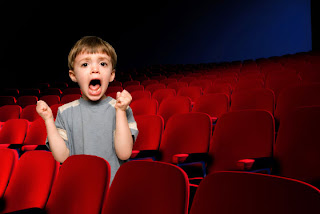
The bottom line is to use good judgement and know your children's limitations.
If you are someone whose meal, movie, or outing is disturbed by a misbehaved junior citizen, the best thing to do is alert management. It isn't an outsider's place to approach the parent of the noisemaker. Mom and dad are well aware of the situation. Management can take the appropriate course of action and gently request the child leave the room, theatre or restaurant until they have calmed down.
Tipping:
It is my personal opinion that tipping has gotten a little out of hand in the past few years. An appropriate 15% has grown to 20, 25, 30 for top notch service, and the number continues to rise. The problem is the food industry assumes customers
will be tipping 15 - 20%, and thus the wait and support staff are grossly underpaid in their hourly salary from the restaurant.
In Emily's time, the recommendation was to tip 10% at a first class restaurant if the bill was over $2.50, and a "tip" was a thank you for over the top service.
Oh how times have changed.
Until the restaurant industry provides better pay for their employees, as a customer, it is still proper to tip the expected 20%. This should be part of the cost factored into deciding to eat out.
As for tipping in situations where there is less service, common sense and judgement should come into play. If you are picking up a "to go" order, a 10% tip is a nice thank you for the preparation. If this is a restaurant you frequent, the gesture may be a wise idea to stay in their good graces for future orders.
Other tipping guidelines I use:
- At a bar for drinks, I tip a dollar per well or beer drinks, and 15% - 20% for specialty cocktails
- $1 per bag on airport shuttle, curbside check, and hotel concierge
- A dollar or two for valet
- The change returned to me on my coffee order at Starbucks (on a $2.25 drink, leave the .75 cents as a tip)
- 20% for spa and beauty services
- 15% in cabs
Always tip in cash (even at a restaurant). Although cash is hardly used anymore, I keep a jar at home with small bills in anticipation of an upcoming hotel stay or trip.